



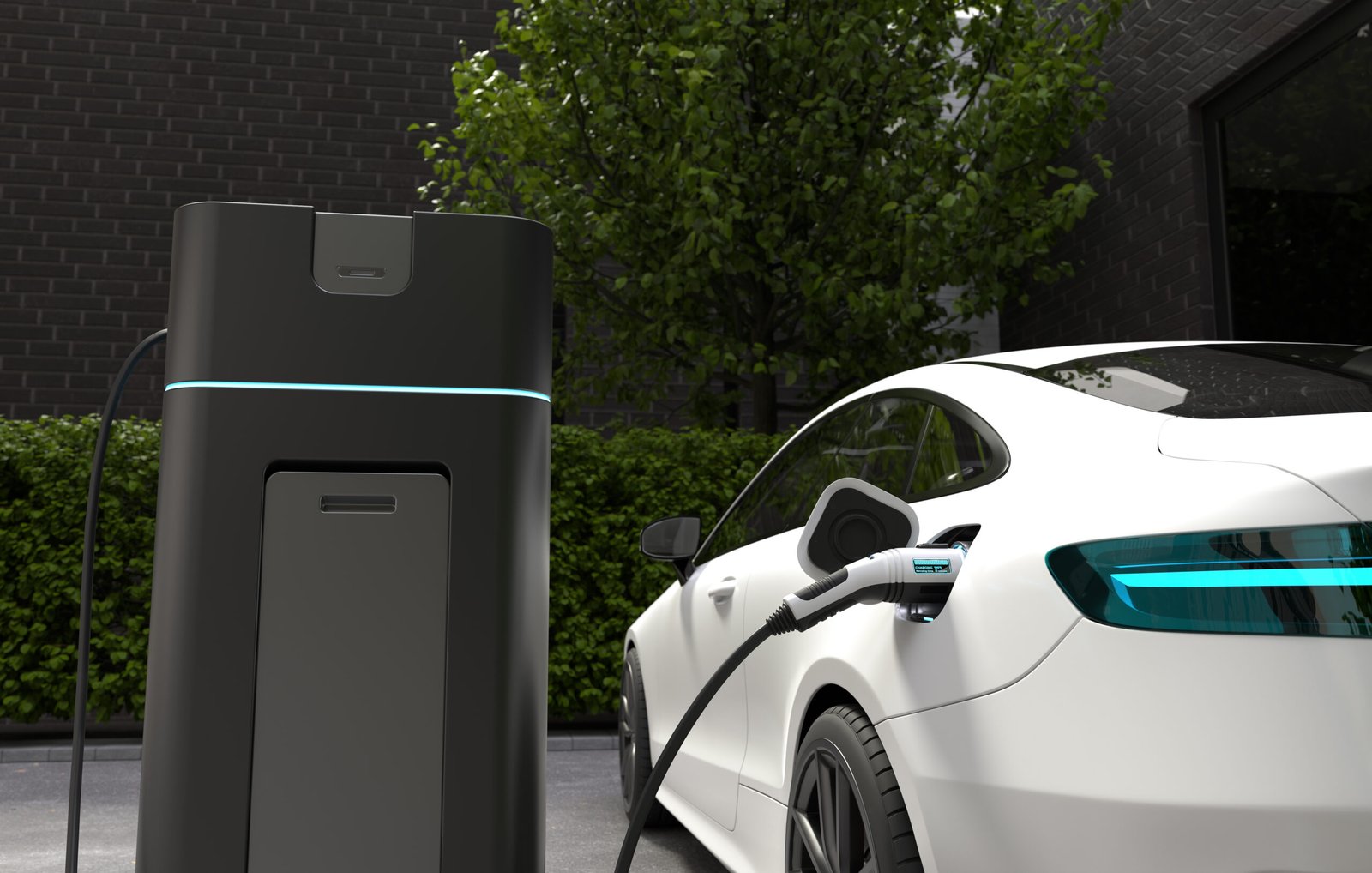
Indian cities are changing fast—and so is the way we move through them. With rising fuel costs, increasing traffic congestion, and stricter emission norms, electric vehicles (EVs) are no longer niche alternatives. They are steadily becoming the preferred solution for urban commuting. From compact electric hatchbacks to smart electric scooters and premium SUVs, EVs are redefining everyday mobility in Indian cities.
Design: Built for the City Life
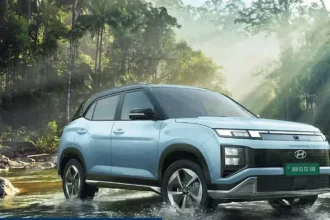
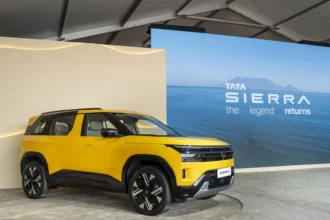
Modern EVs are designed with urban practicality in mind. Compact dimensions, short overhangs, and clean aerodynamic styling make them easy to manoeuvre through crowded streets and tight parking spaces. Flat floors—thanks to battery placement under the cabin—translate into better interior space, while minimalist dashboards with digital screens add a futuristic appeal.
In India, where space efficiency matters as much as road presence, EVs strike a balance between smart design and premium feel, appealing to both young professionals and families.
Powertrain (Engine Options): Electric by Nature
EVs eliminate traditional petrol or diesel engines altogether. Instead, they use:
- Single electric motors for efficient city use
- Dual-motor setups (on premium models) for better performance and traction
The biggest advantage? Instant torque. This makes EVs exceptionally quick off the line—perfect for stop-and-go traffic conditions common in metros like Delhi, Mumbai, and Bengaluru. With fewer moving parts, electric powertrains are also quieter, smoother, and require significantly less maintenance.
Ride Quality: Calm, Quiet, and Comfortable
One of the most noticeable benefits of EVs in urban environments is ride refinement. The absence of engine noise and vibrations creates a serene cabin experience, reducing driver fatigue during daily commutes.
Battery placement lowers the centre of gravity, improving stability and ride comfort over broken city roads. Suspension tuning in most India-focused EVs prioritises comfort, absorbing potholes and speed breakers effectively—something urban commuters deeply appreciate.
Features: Tech That Makes Daily Driving Easier
EVs often double as technology showcases. Common features include:
- Large touchscreen infotainment systems
- Connected car technology with real-time vehicle data
- Regenerative braking modes
- Digital instrument clusters
- ADAS (Advanced Driver Assistance Systems) in higher-end models
For city dwellers, features like one-pedal driving, smartphone-based vehicle controls, and navigation-assisted charging station mapping significantly improve everyday usability.
Rivals: A Growing EV Battlefield
India’s EV space is heating up. Popular models like the Tata Nexon EV and MG ZS EV dominate the electric SUV segment, while upcoming electric offerings from Hyundai, Maruti Suzuki, and Mahindra promise to expand choices further.
On the two-wheeler side, electric scooters are rapidly replacing petrol counterparts for short city runs, intensifying competition and accelerating adoption.
Indian Market Relevance: Why EVs Make Sense Now
EVs are uniquely suited to India’s urban ecosystem:
- Lower running costs compared to petrol/diesel
- Government incentives and reduced road taxes
- Growing charging infrastructure in metros and Tier-1 cities
- Rising environmental awareness among consumers
With daily city commutes averaging 30–40 km, most EVs easily meet range requirements without range anxiety. Add to that quieter streets and reduced emissions, and EVs emerge as a logical solution rather than an experimental one.
Verdict: The Urban Commute Has Gone Electric
Electric vehicles are not just shaping the future of urban mobility—they are actively transforming it. For Indian cities grappling with pollution, congestion, and rising costs, EVs offer a cleaner, smarter, and more efficient way forward.
As charging networks expand and prices become more competitive, EVs will soon shift from being the “future option” to the default urban commute choice. For city drivers planning their next vehicle, going electric is no longer a question of if—but when.